Decolonizing Therapy, Chapter 2 Response
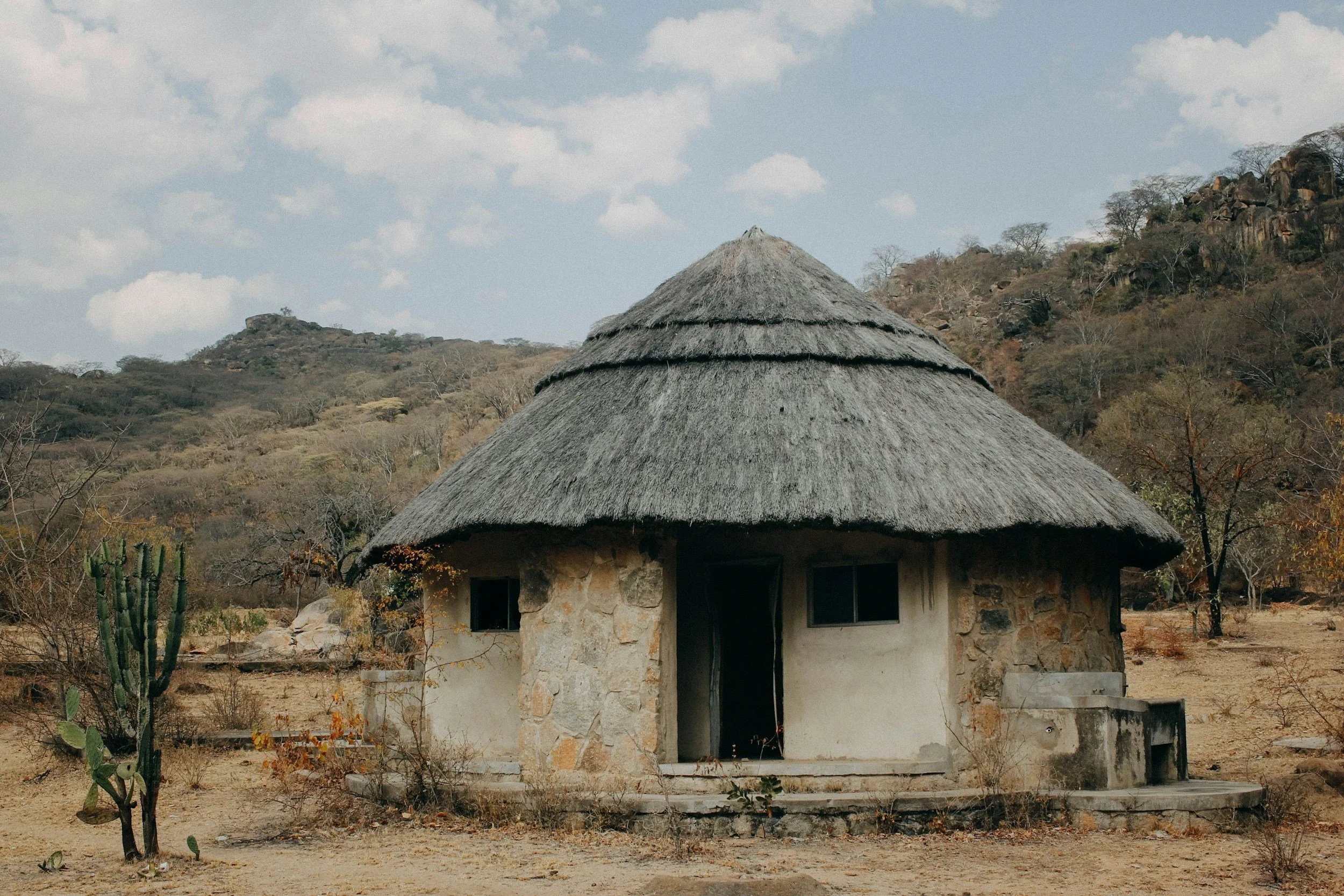
I have been reflecting on the concept of "home" since March. Today is June 13, and my understanding of home has evolved significantly over the past few months.
When I originally wrote about this topic, I identified home as the people in my life. At the time, relationships felt like a comfortable place to seek refuge, connection, and support. However, as the months have passed, I have come to realize that peace is actually home. People can provide comfort, but true home cannot depend entirely on external circumstances or other individuals. Home must be something that exists within us.
While reading Chapter 2 of Decolonizing Therapy, Dr. Jennifer Mullan's discussion of colonization trauma expanded my understanding of trauma itself. Trauma is not limited to physical abuse or overt harm; it can also be mental, emotional, psychological, and systemic. Colonization trauma can create a deep sense of displacement, making it difficult for people to feel rooted in their bodies, communities, or environments. When experiences of oppression, disconnection, or instability become normalized, the idea of "home" can begin to feel foreign.
This realization has led me to believe that grounding home in internal peace is essential. External circumstances are constantly changing. Relationships shift, workplaces change, communities evolve, and systems continue to exert pressure on our lives. Colonization, in many forms, is always at work. If our sense of home depends entirely on external conditions, then our peace becomes vulnerable to forces outside of our control. Internal peace, however, provides a foundation that can remain steady even when the world around us feels uncertain.
In March, I also began recognizing how many clinicians are stripped of their sense of comfort and connection within modern therapeutic practices. Increasingly, counseling is conducted virtually, and the traditional image of a therapist sitting with a client in a thoughtfully designed office has become less common. The rise of the Medical Industrial Complex has transformed many aspects of mental health care, with practices often focused on meeting insurance requirements, generating revenue, and maintaining productivity standards. These pressures can interfere with a clinician's ability to fully engage in the therapeutic process and provide care in ways that feel meaningful and effective.
When I first entered the counseling field, I admired therapists who owned their own practices and created intentional healing spaces for their clients. As time has passed, I have realized that those settings are becoming less common. In many ways, home has become the new office as therapy increasingly moves into virtual spaces. While I recognize the accessibility and benefits of telehealth, I still believe deeply in the value of traditional therapeutic environments.
One day, I hope to create a counseling space that feels like a sanctuary. I imagine an office filled with natural light, plants, and a sense of warmth and safety. I envision a space where people can step away from the demands of daily life and feel fully present in their healing journey. For me, that vision represents more than an office—it represents the creation of a home-like environment where people can reconnect with themselves, experience peace, and remember that healing is possible.
If you love this article, feel free to read more on Workplace Safety, as a Counselor
on the Artisan Archives
As an Artisan, your support helps nurture a reflective art community rooted in intention, craft, and the quiet growth that defines Saged by Si.
